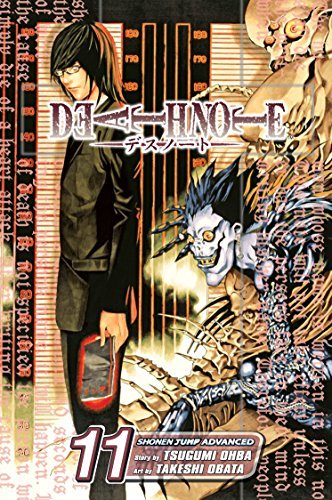
Death Note, Vol. 11 by Tsugumi Ohba
Death Note, Vol. 11 by Tsugumi Ohba
Couldn't load pickup availability
Share
Death Note, Vol. 11 – Escalating Tension, Ruthless Strategy, and the Sharpest Psychological Warfare Yet
Death Note, Vol. 11 by Tsugumi Ohba and Takeshi Obata delivers another electrifying chapter in one of the most iconic psychological thriller manga series ever created. As Light Yagami’s deadly game of deception continues, the stakes rise to unprecedented levels. New adversaries close in, unexpected twists reshape the battlefield, and the moral lines between justice and corruption blur even further. This volume is a masterclass in suspense, strategy, and character‑driven storytelling — a gripping continuation that keeps readers hooked from the first page to the last.
Presented in English, this paperback edition is perfect for fans of dark, thought‑provoking narratives and collectors who appreciate the depth, artistry, and tension that define Death Note. Vol. 11 pushes the story into its most dangerous phase yet, delivering a reading experience that is both intellectually stimulating and emotionally intense.
A Volume Where Strategy, Suspense, and Moral Conflict Reach New Heights
The Battle of Wits Tightens as New Threats Emerge
Vol. 11 picks up with Light Yagami — now fully entrenched in his role as Kira — facing mounting pressure from multiple directions. Near and Mello, successors to the legendary detective L, intensify their pursuit, each using drastically different methods to expose Light’s identity. Their contrasting approaches create a dynamic, unpredictable investigation that forces Light to adapt, manipulate, and strategise with even greater precision.
This volume explores:
- Near’s cold, analytical approach to the Kira case
- Mello’s aggressive, unpredictable tactics
- Light’s increasingly dangerous manipulation of the task force
- The rising tension between allies and enemies alike
Every chapter builds momentum, pushing the characters toward a collision course that feels inevitable — and terrifying.
Unexpected Twists Reshape the Investigation
Vol. 11 is filled with twists that challenge both Light’s strategies and the reader’s expectations. Ohba’s storytelling becomes even more intricate, weaving together deception, deduction, and emotional tension with masterful precision.
The tension in this volume is:
- Relentless
- Strategically complex
- Emotionally charged
- Unpredictable in outcome
Death Note’s signature psychological warfare is at its peak, making Vol. 11 one of the most gripping instalments in the series.
Light Yagami’s Descent Deepens
A Protagonist Driven by Power, Fear, and Control
Light’s character becomes even more chilling in Vol. 11. His desire to maintain his god‑like rule as Kira clashes with the growing pressure of Near and Mello’s investigation. His intelligence, arrogance, and desperation collide in ways that reveal both his brilliance and his fragility.
This volume explores:
- Light’s fear of exposure
- His manipulation of allies and subordinates
- His growing obsession with maintaining dominance
- The moral decay that accompanies his rise as Kira
Light’s arc in Vol. 11 is psychologically rich, morally complex, and deeply unsettling.
Light’s Relationships Become More Dangerous
Light’s interactions — especially with the task force, Misa, and his new allies — become more strained and more layered. His ability to deceive others is tested repeatedly, and the emotional consequences of his double life begin to surface.
Vol. 11 highlights:
- Light’s calculated manipulation of Misa Amane
- His tense, layered dynamic with Near and Mello
- His shifting behaviour within the task force
- His internal conflict between fear and ambition
These relationships add emotional depth and tension to every chapter.
Near and Mello Take Centre Stage
Near’s Cold, Methodical Pursuit of Kira
Near’s role in Vol. 11 becomes more pronounced as he sharpens his focus on Light. His calm, analytical approach mirrors L’s brilliance while introducing a new level of detachment and strategic precision.
This volume explores:
- Near’s psychological analysis of Light
- His methodical dismantling of Kira’s influence
- His growing confidence in confronting the task force
- His willingness to take calculated risks
Near’s presence adds intellectual weight and strategic tension to the narrative.
Mello’s Aggressive, Unpredictable Tactics
Mello’s approach to the Kira case is the opposite of Near’s — emotional, dangerous, and explosive. His willingness to use extreme methods creates chaos that forces Light to adapt quickly.
This volume highlights:
- Mello’s volatile personality and bold decisions
- His strategic use of fear and unpredictability
- His rivalry with Near and its impact on the investigation
- His personal motivations and emotional complexity
Together, Near and Mello create a dual threat that pushes the story into new territory.
The Task Force Faces Rising Pressure
A Team Torn Between Loyalty and Suspicion
The members of the task force — including Soichiro Yagami — face increasing pressure as the investigation intensifies. Their loyalty, fear, and moral dilemmas add realism and emotional weight to the story.
This volume explores:
- The task force’s growing confusion and doubt
- Their fear of confronting Kira
- Their loyalty to Light despite rising suspicion
- Their struggle to balance justice with survival
The task force’s perspective adds nuance and tension to the narrative.
Misa Amane’s Role Becomes More Complicated
A Character Caught Between Love and Danger
Misa’s involvement in the Kira case becomes more dangerous and more emotionally complex in Vol. 11. Her devotion to Light, her impulsive nature, and her willingness to take risks all play major roles in the unfolding events.
This volume explores:
- Misa’s emotional vulnerability
- Her manipulation by Light
- Her growing involvement in the investigation
- Her unpredictable influence on the story
Misa adds tension, unpredictability, and emotional depth to the narrative.
The Art of Takeshi Obata: Sharp, Expressive, and Atmospheric
Visual Storytelling That Heightens Suspense
Obata’s artwork in Vol. 11 is some of his strongest yet. The character expressions, dramatic lighting, and cinematic panel layouts amplify the tension and emotional impact of every scene.
Key artistic highlights include:
- Intense facial expressions that reveal psychological depth
- Atmospheric shading that enhances suspense
- Cinematic framing during key confrontations
- Clean, detailed artwork that elevates the storytelling
Obata’s visuals make Vol. 11 unforgettable.
Themes That Define Death Note, Vol. 11
Morality and Corruption
Vol. 11 explores how power corrupts, how morality bends under pressure, and how justice becomes distorted when wielded by flawed individuals.
Identity and Deception
Light’s double life becomes harder to maintain, and the consequences of deception grow more severe.
Justice and Consequence
The volume raises questions about justice, punishment, and the cost of pursuing absolute power.
Fear and Control
Characters grapple with fear — fear of exposure, fear of failure, fear of death — and the desperate need to maintain control.
Why Death Note, Vol. 11 Is Essential
1. A Major Turning Point in the Series
Vol. 11 introduces new twists and escalating tension that reshape the investigation.
2. Psychological Depth and Emotional Intensity
The character development is rich, layered, and unforgettable.
3. High‑Stakes Suspense and Strategic Warfare
The Light vs. Near/Mello conflict reaches new levels of complexity.
4. Powerful Themes and Mature Storytelling
Morality, justice, and power are explored with nuance and sophistication.
5. A Must‑Have for Fans and Collectors
Presented in English, this volume is essential for anyone following the series.
Final Thoughts
Death Note, Vol. 11 is a masterclass in suspense, psychological warfare, and moral complexity. It pushes the story into deeper, more emotionally charged territory while delivering new twists that keep readers on edge. With its intricate plotting, intense character dynamics, and bold storytelling, Vol. 11 stands as a cornerstone of the Death Note saga.